



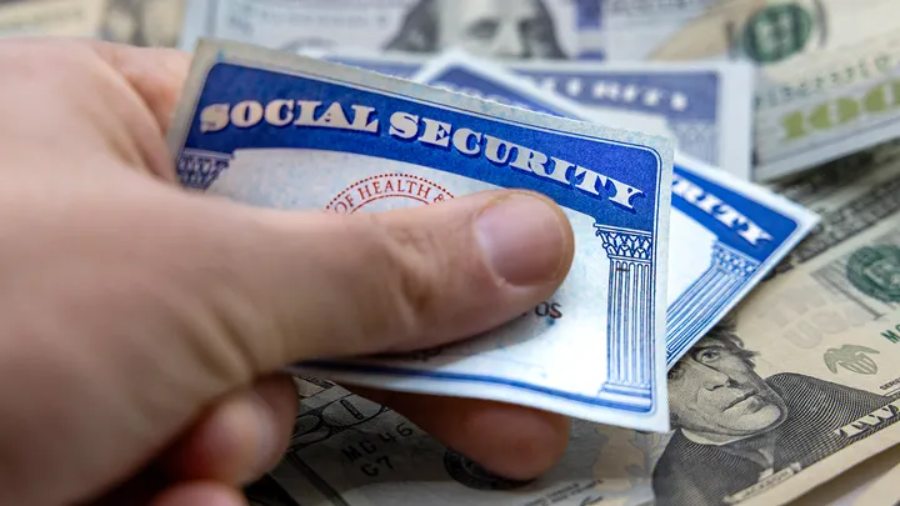
The Social Security Administration’s 2026 Trustees Report confirms that the Old-Age and Survivors Insurance (OASI) trust fund will exhaust its accumulated reserves in the fourth quarter of 2032. Once the reserves run dry, ongoing payroll tax collections would be able to pay only 78% of scheduled retirement benefits.
The report highlights the One Big Beautiful Bill Act (OBBBA), enacted July 4, 2025, which permanently adjusted income tax rates and brackets while expanding the standard deduction, including an additional temporary deduction for taxpayers over 65. These changes reduce the amount of income tax revenue from Social Security benefits, lowering future contributions to the trust fund.
Projected Impacts
The Congressional Budget Office previously warned that without legislative action, Social Security would no longer be able to pay full scheduled benefits after depletion. Payroll taxes alone would determine available payments, potentially resulting in benefit reductions.
Rep. David Schweikert, R-Az., noted the risk of a 24% reduction in benefits under current law, which could double senior poverty. House Speaker Mike Johnson, R-La., emphasized that more than 74% of federal spending is mandatory, covering programs like Social Security and Medicare, requiring adjustments to avoid long-term insolvency.
Potential Legislative Solutions
The Trustees report suggests that allowing fund sharing between the retirement and Disability Insurance (DI) trust funds could extend the combined reserves to the third quarter of 2034, covering 83% of scheduled benefits. The report recommends that lawmakers act gradually and promptly, giving workers and beneficiaries time to adjust to changes.
Financial experts stress the importance of preparing for potential shortfalls. Uri Levine, co-founder of Pontera, advised Americans to consider retirement planning strategies and consult financial advisors in light of projected benefit reductions.
Conclusion
The Social Security Trustees report underscores the urgent need for policy action to maintain long-term solvency. Without reform, benefits could face significant cuts after 2032. Early, phased adjustments could protect retirees and future workers while allowing Congress to ensure the system’s sustainability.