



For patients diagnosed with glioblastoma, the statistics are devastating. It is among the most aggressive brain cancers known to medicine, and despite decades of research, survival rates have not meaningfully improved in 20 years. A typical patient lives just 12 to 18 months after diagnosis.
That sobering context is precisely what makes a new study from the University of Calgary worth paying attention to — even if the findings are early, small in scale, and come with significant caveats.
Researchers found that adding high-dose vitamin B3, also known as niacin, to standard glioblastoma treatment was associated with a notable improvement in short-term disease control. The results were published in the Journal of Neuro-Oncology.
The trial enrolled 24 patients diagnosed with glioblastoma — a fast-growing cancer that originates in the brain and spinal cord. All participants received niacin in addition to the established standard of care, which includes surgery, radiation, and chemotherapy.
Six months into treatment, 82% of patients showed no disease progression — a striking contrast to the 54% typically seen at the same interval without the vitamin supplement. That gap represents a 28 percentage point improvement in short-term disease control.
Beyond the progression data, the research pointed to a biological mechanism that may help explain the result. Glioblastoma is known to actively suppress the body’s immune response, effectively disabling the cells that would otherwise work to fight the tumor. Niacin appeared to reverse that suppression — restoring function to those compromised immune cells and enhancing their ability to identify and attack cancer.
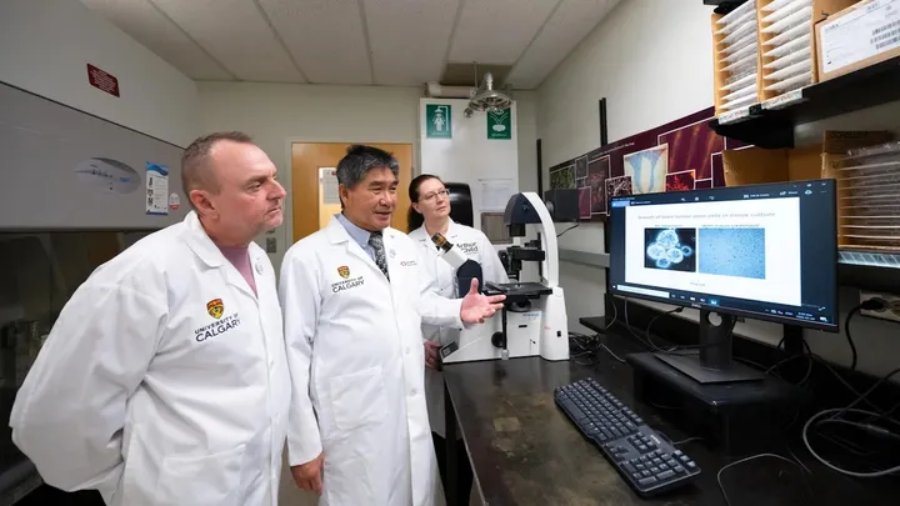
“Normally, the immune system will try to counter and prevent tumor growth; however, this brain cancer suppresses the immune system,” said Dr. Wee Yong, PhD, a neuroscientist and study author who specializes in immune responses in the brain. “Niacin treatment rejuvenates immune cells so they can do what they are supposed to do: attack and kill the cancer cells. I see it as an ongoing ‘battle for the brain.'”
Building on Earlier Laboratory Work
The human trial did not emerge from nothing. Prior laboratory experiments conducted in mice had already demonstrated that niacin could extend survival in glioblastoma models. The University of Calgary team designed this study to determine whether that same biological benefit could be observed in human patients — and the early answer appears to be yes, at least in the short term.
Fox News senior medical analyst Dr. Marc Siegel, who was not involved in the study, noted that niacin’s immune-supporting properties are not a new discovery — they are simply underappreciated.
“Vitamins, including vitamin B vitamins — especially niacin — are underrecognized as immune boosters,” Siegel told Fox News Digital.
Serious Limitations That Cannot Be Overlooked
For all its promise, the research team was deliberate in tempering expectations — and the limitations they identified are significant.
The trial involved just 24 patients — a sample size too small to draw sweeping conclusions. It also lacked a randomized control group, meaning there was no parallel set of patients receiving identical treatment without niacin for direct comparison. The follow-up period was also relatively short, leaving longer-term outcomes unknown.
Lead study author Dr. Gloria Roldan Urgoiti, a clinical associate professor at the University of Calgary’s Cumming School of Medicine, was direct about what the findings do and do not represent.
“Glioblastoma is the most aggressive brain cancer in adults. Survival of patients with this condition hasn’t changed significantly for 20 years,” she said. “Anything that may help should be explored, but it requires strict protocols and safety monitoring.”
The researchers also flagged an important safety consideration: high doses of niacin carry health risks and should only be undertaken under close medical supervision. Dr. Siegel added that niacin does produce known side effects, including skin flushing, and offered a measured assessment of where the science currently stands.
“There probably will end up being a small impact here, so this is useful information, though clearly not a cure,” he said.
The research team is not stopping here. Plans are underway to enroll an additional 24 patients by the end of 2026 or early 2027 for the next phase of the trial — a stage that will focus specifically on assessing niacin’s safety profile and its effects on immune system activation at higher doses.
Larger, randomized, controlled trials will ultimately be needed before niacin can be considered a validated component of glioblastoma treatment. But the early signal — a 28-point improvement in six-month disease control in a cancer that has resisted progress for two decades — is the kind of result that earns a second look.
The findings from the University of Calgary do not offer a cure for glioblastoma — and the researchers are careful to say so. What they do offer is something rare in the history of this particular disease: a meaningful early signal that a widely available, relatively inexpensive vitamin may help the immune system do what it is designed to do, even in the face of one of cancer’s most formidable opponents. For patients and families navigating a diagnosis that still carries a brutal prognosis, that signal — however preliminary — represents exactly the kind of lead worth pursuing.