



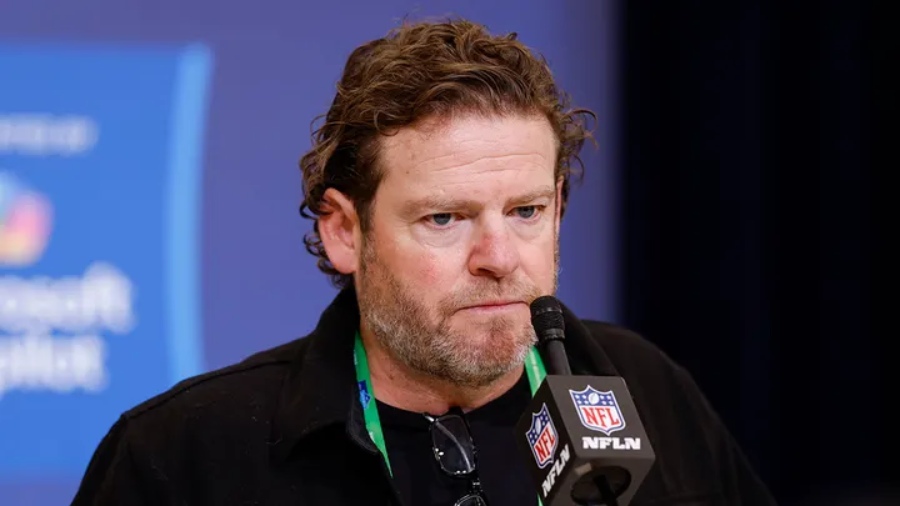
Fresh off a Super Bowl LX title, the Seattle Seahawks are confronting a challenge that has nothing to do with opposing defenses. Washington state legislators have passed a so-called “millionaire tax” — a 9.9% levy on annual earnings exceeding $1 million — and Seahawks general manager John Schneider believes it could meaningfully undermine the franchise’s ability to land top-tier free agents when it takes effect in 2028.
Governor Bob Ferguson has signaled he intends to sign the bill into law. Whether it will survive potential legal challenges remains to be seen. For years, Washington’s absence of a personal income tax has served as one of Seattle’s most persuasive selling points when courting high-earning NFL players. Compared to California franchises — where state income tax on top earners runs sharply higher — the financial benefit of playing in Seattle has been tangible and significant.
That advantage is now slipping away.
Schneider made his concerns public during an appearance on his Seattle Sports 710-AM radio program, recounting how agents were already reaching out the moment the legislation advanced.
“There were a bunch of agents texting me the other day like, ‘Hey, can’t use that anymore, buddy,'” Schneider said.
He was candid about what that shift means for Seattle’s front office: “I think it is for all the pro teams here in town. It’s always been a huge attraction, especially competing with the California teams. It’s been a big deal for us. So, it’s going to sting, from a recruiting standpoint.”
Where the Seahawks Stand Among Tax-Free NFL Markets
As of 2026, the Seahawks are one of eight NFL franchises based in states that do not tax personal wage income — a group that includes:
- Houston Texans and Dallas Cowboys (Texas)
- Jacksonville Jaguars, Tampa Bay Buccaneers, and Miami Dolphins (Florida)
- Las Vegas Raiders (Nevada, after relocating from California in 2020)
- Tennessee Titans (Tennessee, with a new billion-dollar domed stadium set to open in Nashville in 2027)
Once Washington’s millionaire tax takes hold, Seattle’s place among that group — and the competitive edge that came with it — will be gone.
Agents and the Industry Are Already Paying Attention
Schneider isn’t the only voice raising red flags. An anonymous NFL agent told ESPN the development is already registering across the league.
“It’s going to be a problem, and hopefully it doesn’t happen,” the agent said.
Schneider also reflected on how predecessors in the organization — naming former executives Mike Reinfeldt and Mickey Loomis among the franchise’s veteran cap strategists — would likely view the change with similar concern: “I’m sure… all the cap guys that have been here before, too, are looking at this like, ‘Dang.'”
The potential impact of state tax policy on athlete decision-making isn’t hypothetical. The sports world got a clear illustration of it just recently — in baseball.
Pitcher Merrill Kelly, a free agent after appearing in 10 games with the Texas Rangers in 2025, chose to re-sign with the Arizona Diamondbacks over pursuing a deal with the San Diego Padres. According to ESPN, Kelly agreed to a two-year, $40 million contract with Arizona. The Padres reportedly offered a three-year arrangement — more guaranteed seasons — but California’s 13% income tax rate on earnings above $1 million proved to be a dealbreaker.
“I don’t think it’s any secret on how much money you get taken out of your pocket when you go to California,” Kelly told Foul Territory.
The episode serves as a direct preview of the conversations Seattle front-office executives may soon be having — except now, for the first time, Washington will be on the losing side of that tax comparison. The Seahawks have time — the millionaire tax doesn’t kick in until 2028 — but the clock is already shaping how agents and players think about Seattle’s future offers. Schneider and his staff will need to find new ways to make the financial case for signing with a franchise that, until recently, held a structural monetary advantage over roughly two-thirds of the league.
The Super Bowl trophy is sitting in Seattle. The question now is whether the city’s policy environment will make it harder to build the roster needed to chase another one.