



USAA Rolls Out Crash Detection as Auto Claims Surge Nationwide
San Antonio — USAA is among the first U.S. auto insurers to deploy crash detection technology, introducing a tool aimed at speeding up claims processing as accident volumes climb back above pre-pandemic levels.
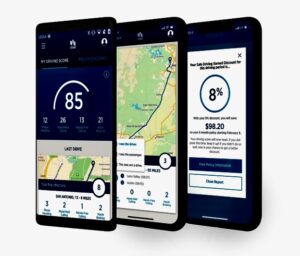
The technology is built into USAA’s SafePilot mobile app and uses smartphone sensors to identify a potential collision. If a crash is detected, the app prompts the policyholder to confirm the incident and then immediately provides next steps, including safety guidance, the option to file a claim through a simplified process, or the ability to call emergency services directly from the app.
Since its launch in November 2021, the system has generated more than 36,000 crash notifications, according to the company.
“This ultimately comes down to making sure our members are safe and helping them recover faster,” said Luke Harris, USAA’s vice president of innovation. He said the insurer is increasingly relying on telematics to reduce friction during what is often a stressful moment for drivers.
The move comes as insurers across the industry confront a sharp rise in auto claims. With pandemic restrictions easing and traffic returning to U.S. roads, accident frequency and severity have increased, compounding supply chain delays and repair backlogs that have frustrated drivers nationwide.
USAA reported handling roughly 500,000 more claims in 2021 than in 2020, reflecting a broader industry trend as driving activity rebounded. Rising repair costs and longer vehicle downtime have further pushed insurers to look for technologies that can streamline response times and improve customer experience.
Crash detection tools like SafePilot are part of a growing push by insurers to use telematics not only to price risk, but also to intervene earlier in the claims process. By accelerating accident verification and initial response, companies hope to reduce delays, manage costs, and provide faster support to policyholders at the scene.
Industry analysts say similar technologies are likely to become more common as insurers adapt to higher claim volumes and increasingly tech-savvy customers who expect digital-first service.