



A mysterious fire at an Iranian steel factory is raising fresh concerns about the ability of cyberattacks to cause real-world destruction, after a hacking group claimed it deliberately triggered the incident.
The group, known as Predatory Sparrow, said it was responsible for a cyber operation that led to a serious blaze at the facility around two weeks ago. The claim has drawn attention because it suggests hackers may have crossed the line from digital disruption into physical damage, something experts say remains rare but deeply troubling.
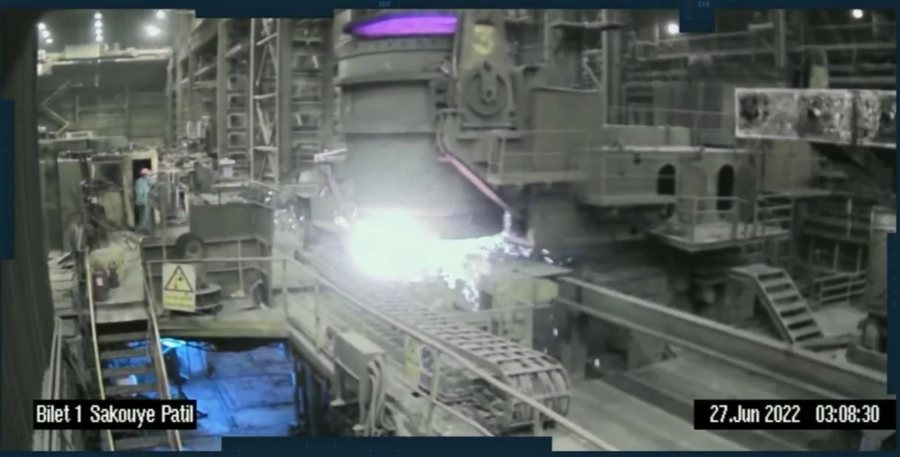
Predatory Sparrow released a video, which it said shows the aftermath of the attack. The footage, which appears to come from closed-circuit cameras inside the plant, shows workers leaving an industrial area before a machine begins pouring molten steel uncontrollably. Flames and sparks are visible as the metal spills, followed by scenes of workers attempting to contain the fire using water hoses.
Iranian authorities have not publicly confirmed that the fire was caused by a cyberattack, and independent verification of the hackers’ claims remains difficult. However, cybersecurity analysts note that modern industrial facilities often rely on digitally controlled systems, making them potential targets if those systems are compromised.
If confirmed, the incident would mark one of the clearest examples yet of a cyberattack causing direct physical harm to industrial infrastructure. Such scenarios have long been discussed in security circles but have occurred only infrequently.
The episode has renewed debate among cybersecurity experts and governments about the risks facing critical infrastructure, particularly in countries where industrial systems may be connected to wider networks with limited protection.
As investigations continue, the steel plant fire stands as a stark reminder that cyber conflict, once largely confined to screens and servers, may increasingly carry consequences in the physical world.